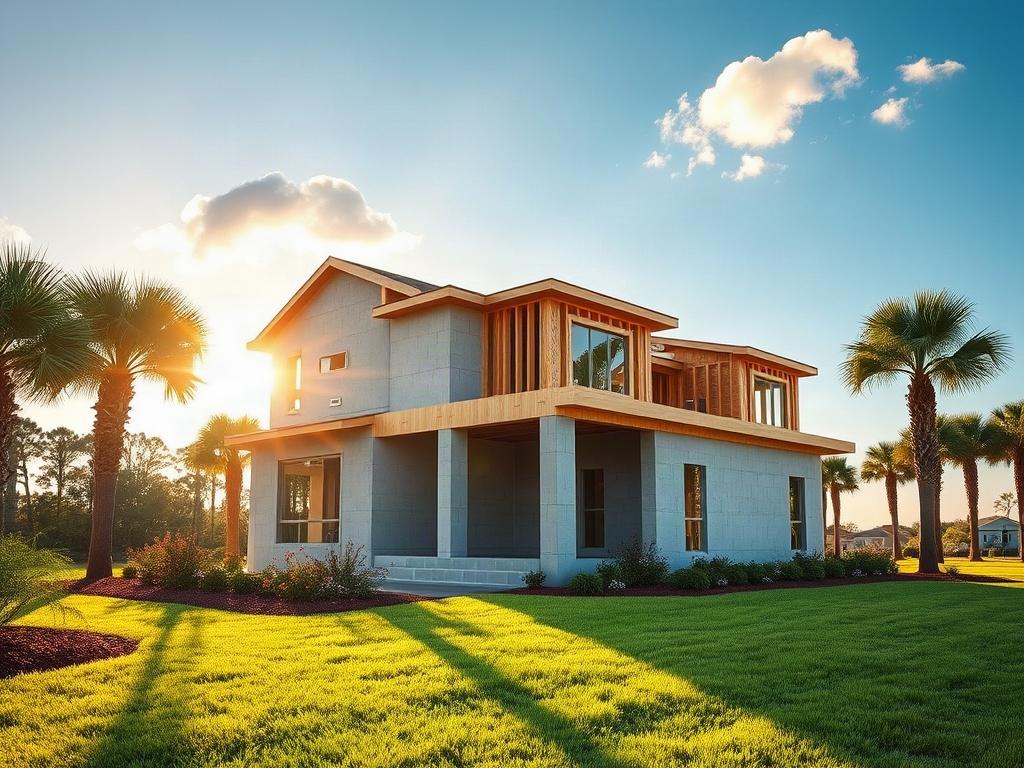
Building a house in Myrtle Beach lets you create a home that fits your life, whether you're planning to retire near the coast, relocate to South Carolina, or finally build the home you've pictured for years. It's an exciting prospect, but the early decisions can get complicated quickly. The lot you buy, the permits you need, and the money you set aside all affect how smoothly construction goes.
If you're buying land for the first time or have never built a house, a little preparation can save you from expensive headaches. Here's what to consider before breaking ground on a new home in Myrtle Beach.
It's tempting to browse house plans before you've even chosen a lot. You might already know how many bedrooms you want or have a list of must-have kitchen features. Just remember that not every property can accommodate every design.
A narrow lot could limit the home's footprint. A property with drainage problems might need additional site work, and a lot without nearby utility connections could cost more to develop than you expected.
Myrtle Beach also has coastal conditions to consider. Heavy rain, flooding concerns, and local construction requirements in certain areas can affect both your plans and your budget.
Before buying a lot, find out:
A property that looks like a bargain may need thousands of dollars in preparation before construction can begin. Ask questions early and have qualified professionals evaluate concerns you can't easily assess yourself.
Permits aren't the most exciting part of building a home, but they're essential to the process. The requirements depend on where your property sits. A home within Myrtle Beach city limits may follow a different approval process from one in unincorporated Horry County.
Your builder should be able to explain which permits and inspections apply to your project. Depending on the location, you may also need zoning approval, utility approvals, or evaluations related to septic systems and drainage.
Coastal properties deserve extra attention. Flood zone requirements, wind resistance standards, and elevation rules can influence how a home must be designed and built. If you're considering land near the water, check for additional coastal or environmental restrictions before committing.
Don't rely on a seller's assurance that a lot is ready for construction. Confirm the requirements with the relevant local authorities, and make sure you understand who will handle applications and fees.
Ask three builders how long a project will take, and you may get three different answers. The schedule depends on the size of the house, how customized the design is, the permitting process, and the builder's workload. Weather can also interrupt work, especially during heavy rain or tropical storms.
Construction itself is only part of the timeline. You'll need time to finalize plans, select materials, arrange financing, and secure the necessary approvals.
Once work begins, the project generally moves through site preparation, foundation work, framing, roofing, plumbing and electrical installation, interior finishes, and inspections. Delays can happen at almost any stage, especially if materials arrive late or you decide to make changes after construction is underway.
If you're selling another home or moving to the area, build flexibility into your plans. Ask your builder for a written schedule and ask how you'll be notified if something changes.
The advertised price of a new home doesn't always tell you what you'll spend by the time you move in. Land, site preparation, permits, utility connections, and upgrades can all add to the total.
For example, you might choose a floor plan that fits your budget but later decide you want upgraded countertops, additional lighting, or a larger patio. Those choices can be worthwhile, but the costs add up if you haven't accounted for them.
When reviewing a builder's estimate, ask what's included and what isn't. Landscaping, appliances, window treatments, fencing, and driveway work may be excluded or offered as upgrades.
It's also sensible to keep money in reserve for unexpected expenses. A contingency fund gives you more room to handle surprises without rethinking the entire project.
If you'll need financing, talk with lenders early. Construction loans can work differently from traditional mortgages, including how money is distributed during the build and when regular mortgage payments begin. Make sure you understand the terms before committing to a construction contract.
A builder's experience matters, particularly in a coastal market. Someone familiar with Myrtle Beach and the surrounding communities may better understand local permitting, common site challenges, and construction requirements.
Look beyond photographs of finished homes. Ask how the builder communicates with clients, handles changes, and manages delays. Speaking with previous customers can also give you a clearer picture of what working with that builder is really like.
Before signing, read the contract carefully. It should explain the scope of work, payment schedule, material allowances, and how changes are priced and approved.
Building a home is a major investment, and the decisions you make before construction starts can shape the entire experience. Choose your lot carefully, understand the local requirements, and get a clear picture of the full cost before moving forward.
At 1st Source Solution, we encourage you to explore your options and ask questions as you plan your next move. Contact our team today to learn how we can help.