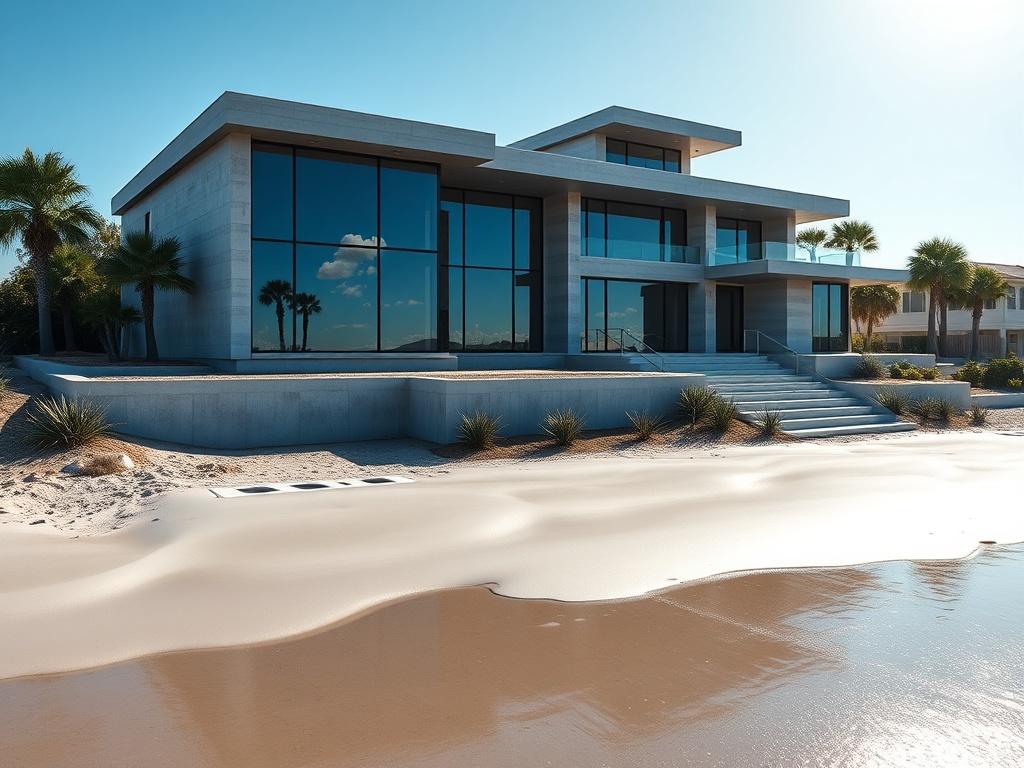
Building a home along the South Carolina coast comes with a unique set of challenges that inland construction simply does not face. High winds, salt air, hurricane season, and rising flood risks all demand building methods that go beyond standard wood-frame construction. Insulated concrete forms, commonly known as ICF, have emerged as one of the most compelling solutions for coastal homeowners who want durability without sacrificing comfort or design flexibility. If you’re considering new construction in the Myrtle Beach area, here’s what you need to know about whether ICF is the right choice for your build.
ICF construction uses hollow foam blocks or panels that are stacked to form the shape of a home's walls, then filled with reinforced concrete. Once the concrete cures, the result is a solid, monolithic wall system that is dramatically stronger than traditional wood framing. The foam remains permanently in place, acting as insulation on both the interior and exterior sides of the concrete core. The finished wall looks and functions just like any other wall from the inside, but the structural difference is significant.
This method has been used in commercial and residential construction for decades. Still, it has gained significant traction in hurricane-prone regions where building performance under extreme conditions is a priority.
The Myrtle Beach area sits in a region that sees its share of tropical storms and hurricanes. Standard wood-frame homes, even those built to current code, can struggle under the sustained winds and flying debris that accompany a major storm. ICF walls are routinely tested to withstand winds exceeding 200 miles per hour, which provides a meaningful margin of safety well above what most coastal storms deliver.
Salt air is another factor that works against traditional construction materials over time. Wood rots, metal corrodes, and standard building components degrade faster in coastal environments than in inland locations. Concrete does not rot, and with proper waterproofing and finish systems, an ICF home can resist the corrosive effects of a salt-air environment far better than wood-frame alternatives.
Coastal living often means high cooling costs during the long South Carolina summers. ICF construction offers a thermal mass advantage that conventional framing cannot match. The concrete core absorbs heat during the day and releases it slowly, reducing the peaks and valleys that force your HVAC system to work overtime. Homeowners in ICF-built homes consistently report lower utility bills than similarly sized wood-frame homes.
The tight building envelope that ICF creates also reduces air infiltration, a primary culprit of energy loss in standard construction. Combined with the insulating value of the foam panels on either side of the concrete, ICF walls typically achieve R-values that far exceed the region's minimum code requirements.
Moisture management is one of the most persistent challenges in coastal construction. High humidity, salt spray, and the occasional flooding event create conditions where mold and moisture damage can take hold quickly in traditional wood-frame walls. ICF walls eliminate the wood framing that mold depends on for growth, significantly reducing the risk of moisture-related damage inside the wall assembly.
Key moisture and resilience advantages of ICF construction include:
One common misconception about ICF construction is that it limits your design options. In reality, ICF homes can be built to virtually any architectural style, from traditional coastal cottages to modern luxury builds. Interior and exterior finishes are applied just like in any other home, so the look and feel of the finished product is driven entirely by your design preferences.
From a resale perspective, ICF homes in high-risk coastal markets are increasingly attractive to buyers who understand the long-term cost of storm damage and energy bills. As awareness of ICF construction grows in the Myrtle Beach market, the durability and efficiency advantages are beginning to translate into stronger resale positioning.
At 1st Source Solution, we specialize in helping Myrtle Beach-area homeowners navigate the decisions involved in building a resilient, high-performance coastal home. Our team understands the unique demands of the local environment and brings hands-on experience with ICF construction to every project we take on. We walk our clients through every phase of the process, from initial design considerations to material selection and builder coordination. If you’re ready to explore whether an ICF home is the right fit for your coastal build, schedule your initial consultation and let us help you build with confidence.